
earl-wilcox-vzH-3-yH45E-unsplash

Natural Foods

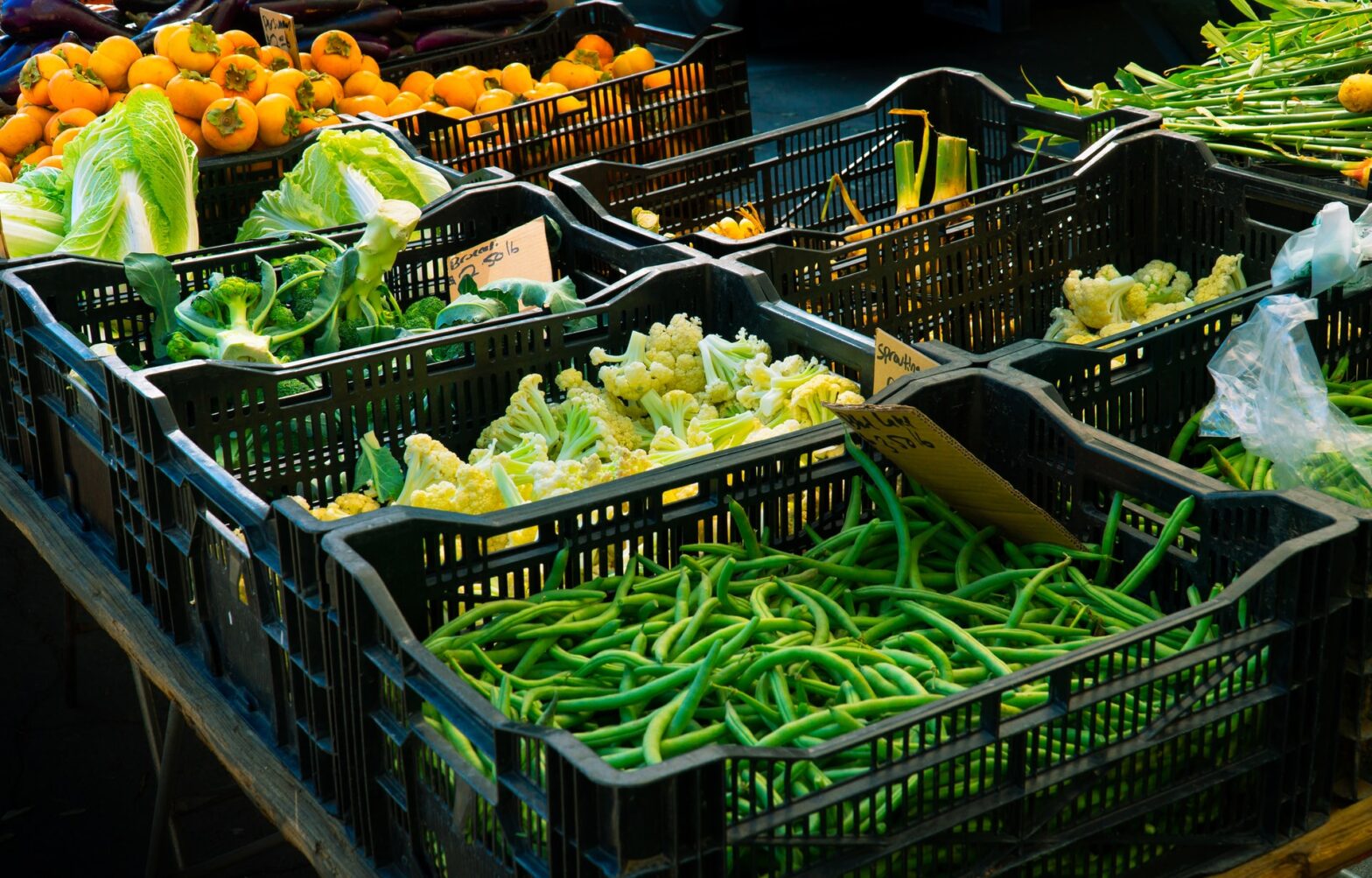
Natural foods and “all-natural foods” are widely used terms in food labeling and marketing with a variety of definitions, most of which are vague. The term is often assumed to imply foods that are not processed and whose ingredients are all natural products (in the chemist’s sense of that term), thus conveying an appeal to nature. But the lack of standards in most jurisdictions means that the term assures nothing. In some countries, the term “natural” is defined and enforced. In others, such as the United States, it is not enforced.

“Natural foods” are often assumed to be foods that are not processed, or do not contain any food additives, or do not contain particular additives such as hormones, antibiotics, sweeteners, food colors, or flavorings that were not originally in the food.[41] In fact, many people (63%) when surveyed showed a preference for products labeled “natural” compared to the unmarked counterparts, based on the common belief (86% of polled consumers) that the term “natural” indicated that the food does not contain any artificial ingredients.[42] The terms are variously used and misused on labels and in advertisements.[43]
dan-gold-4_jhDO54BYg-unsplash

Healthy Food

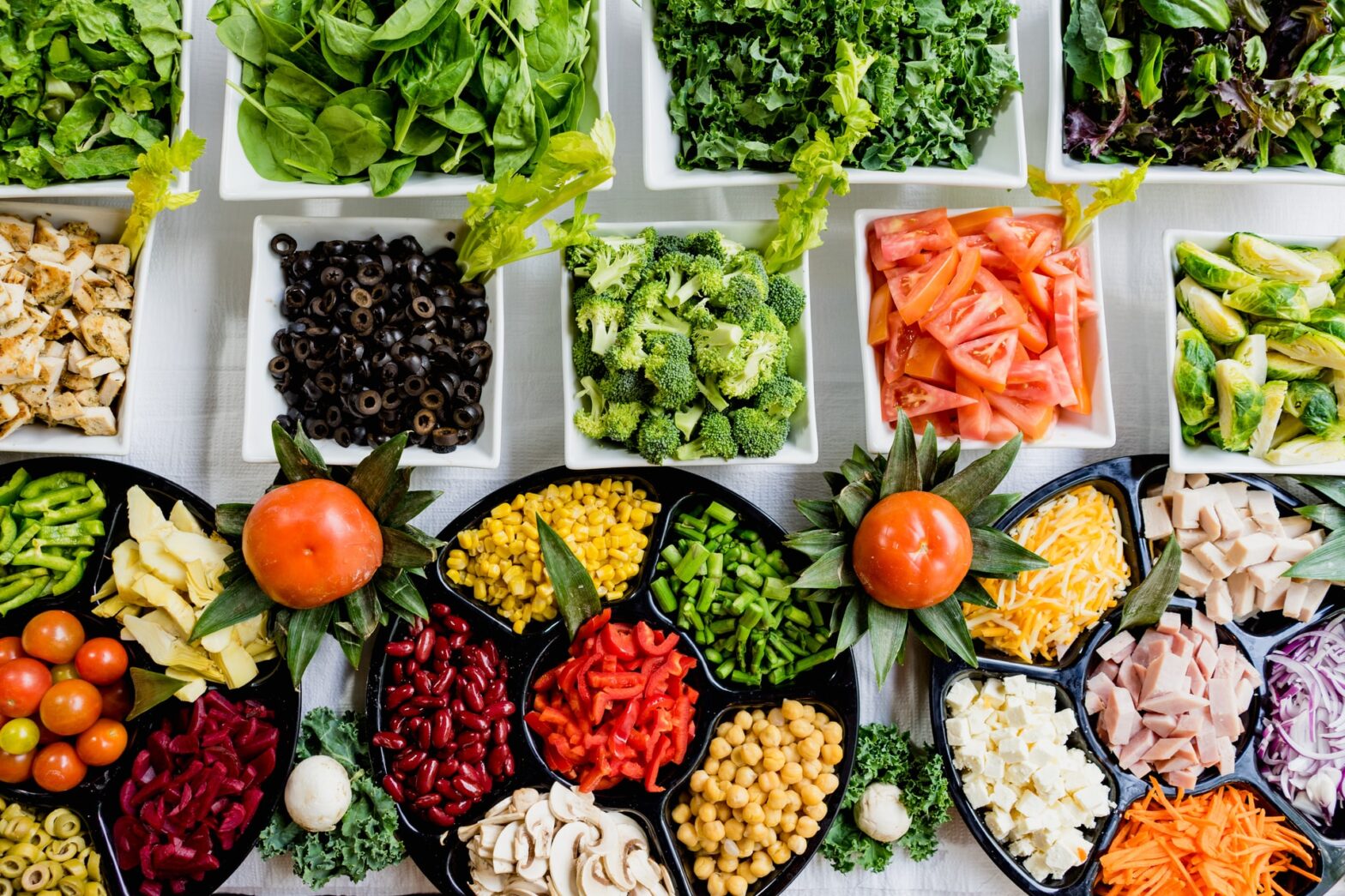
A healthy diet is a diet that helps to maintain or improve overall health. A healthy diet provides the body with essential nutrition: fluid, macronutrients, micronutrients, and adequate calories.[28][29]

For people who are healthy, a healthy diet is not complicated and contains mostly fruits, vegetables, and whole grains, and includes little to no processed food and sweetened beverages. The requirements for a healthy diet can be met from a variety of plant-based and animal-based foods, although a non-animal source of vitamin B12 is needed for those following a vegan diet.[30] Various nutrition guides are published by medical and governmental institutions to educate individuals on what they should be eating to be healthy. Nutrition facts labels are also mandatory in some countries to allow consumers to choose between foods based on the components relevant to health.[31]

A healthy lifestyle includes getting exercise every day along with eating a healthy diet. A healthy lifestyle may lower disease risks, such as obesity, heart disease, type 2 diabetes, hypertension and cancer.[28][32]

syd-wachs-epqNIYI6S7E-unsplash

Fresh Food

Fresh food is food which has not been preserved and has not spoiled yet. For vegetables and fruits, this means that they have been recently harvested and treated properly postharvest; for meat, it has recently been slaughtered and butchered; for fish, it has been recently caught or harvested and kept cold.

Dairy products are fresh and will spoil quickly. Thus, fresh cheese is cheese which has not been dried or salted for aging. Soured cream may be considered “fresh” (crème fraîche).

Fresh food has not been dried, smoked, salted, frozen, canned, pickled, or otherwise preserved.[20]

claudia-rancourt-UmG6esbSiGQ-unsplash

Plants

Many plants and plant parts are eaten as food and around 2,000 plant species are cultivated for food. Many of these plant species have several distinct cultivars.[8]

Seeds of plants are a good source of food for animals, including humans, because they contain the nutrients necessary for the plant’s initial growth, including many healthful fats, such as omega fats. In fact, the majority of food consumed by human beings are seed-based foods. Edible seeds include cereals (corn, wheat, rice, et cetera), legumes (beans, peas, lentils, et cetera), and nuts. Oilseeds are often pressed to produce rich oils – sunflower, flaxseed, rapeseed (including canola oil), sesame, et cetera.[9]

Seeds are typically high in unsaturated fats and, in moderation, are considered a health food. However, not all seeds are edible. Large seeds, such as those from a lemon, pose a choking hazard, while seeds from cherries and apples contain cyanide which could be poisonous only if consumed in large volumes.[10]

rachel-park-hrlvr2ZlUNk-unsplash

Various Food

Food is any substance[1] consumed to provide nutritional support for an organism. Food is usually of plant, animal or fungal origin, and contains essential nutrients, such as carbohydrates, fats, proteins, vitamins, or minerals. The substance is ingested by an organism and assimilated by the organism’s cells to provide energy, maintain life, or stimulate growth. Different species of animals have different feeding behaviours that satisfy the needs of their unique metabolisms, often evolved to fill a specific ecological niche within specific geographical contexts.

Omnivorous humans are highly adaptable and have adapted to obtain food in many different ecosystems. Historically, humans secured food through two main methods: hunting and gathering and agriculture. As agricultural technologies increased, humans settled into agriculture lifestyles with diets shaped by the agriculture opportunities in their geography. Geographic and cultural differences has led to creation of numerous cuisines and culinary arts, including a wide array of ingredients, herbs, spices, techniques, and dishes. As cultures have mixed through forces like international trade and globalization, ingredients have become more widely available beyond their geographic and cultural origins, creating a cosmopolitan exchange of different food traditions and practices.